
Open Google Search Console's URL Inspection tool and check whether the affected page is indexed, crawled but not indexed, or excluded by a specific rule, then work backwards from that result. Before a page is eligible for indexing, Googlebot must have access, the server must return HTTP 200, and the page must contain indexable content. […]
Category Archives: Content Strategy
Practical content strategy advice to help businesses create useful, search-focused content that attracts the right audience and supports long-term SEO growth. Explore content planning, keyword targeting, website copy, topical authority and strategies for turning organic traffic into leads.
A Melbourne business can have a website, a Google Business Profile and a few directory listings, yet still miss the calls that matter. Usually the problem is not “SEO” in the abstract. It's that the business is hard to find locally, the pages do not match the search intent, or the site never tracks whether […]
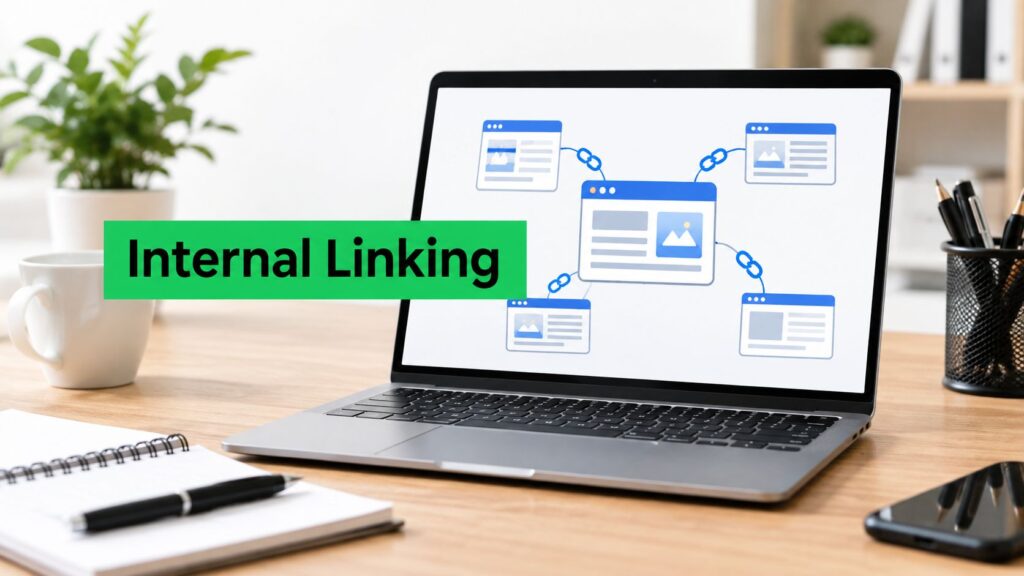
Internal linking is the practice of connecting pages on the same website with hyperlinks. It matters for SEO because it helps search engines crawl, index and prioritise commercially important pages while guiding visitors towards enquiry pages. A Melbourne business might have excellent service pages, suburb pages and helpful articles, yet still lose opportunities because those […]
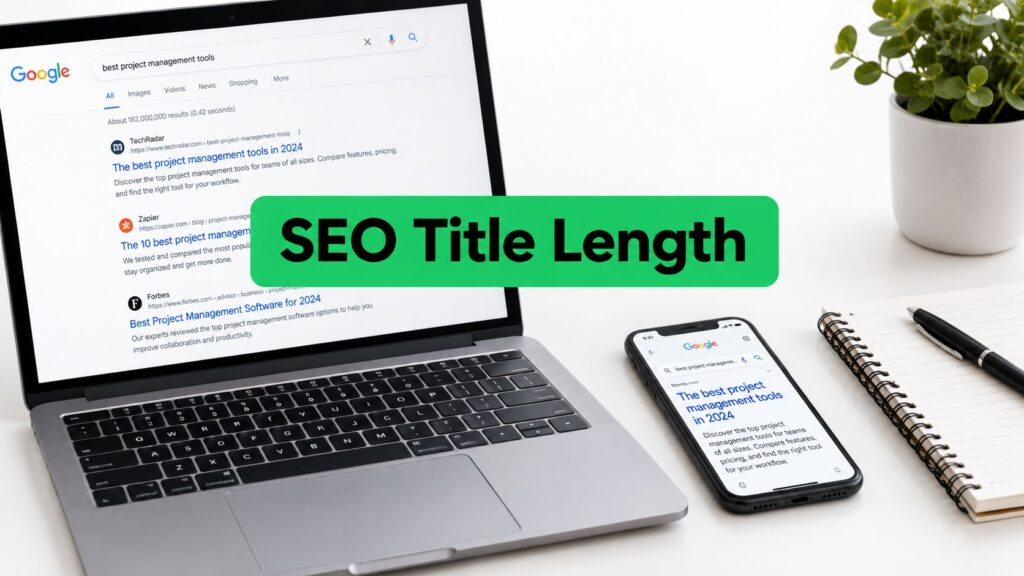
There is no fixed character limit for SEO titles, and Google truncates the visible link by pixel width, which is roughly 600 pixels on desktop. The 50 to 60 character range is a useful editorial guide, not a hard rule. Most small business pages should still aim for clarity first, because Google can rewrite the […]

Search intent is the underlying goal behind a search, to learn, find, compare, or buy, and matching the page type to that goal is what turns rankings into enquiries. In Australia, that matters even more because about 76% of people who do a local “near me” search on a smartphone visit a related business within […]

In Australia, 20.2% of surveyed sites had no robots.txt file, while 41.5% used uniform rules and 32.8% used path-mixed rules. A robots.txt file is a plain text file at the root of a website that gives crawlers, especially Googlebot, simple Allow and Disallow rules telling them which pages they may fetch, and it controls crawling […]
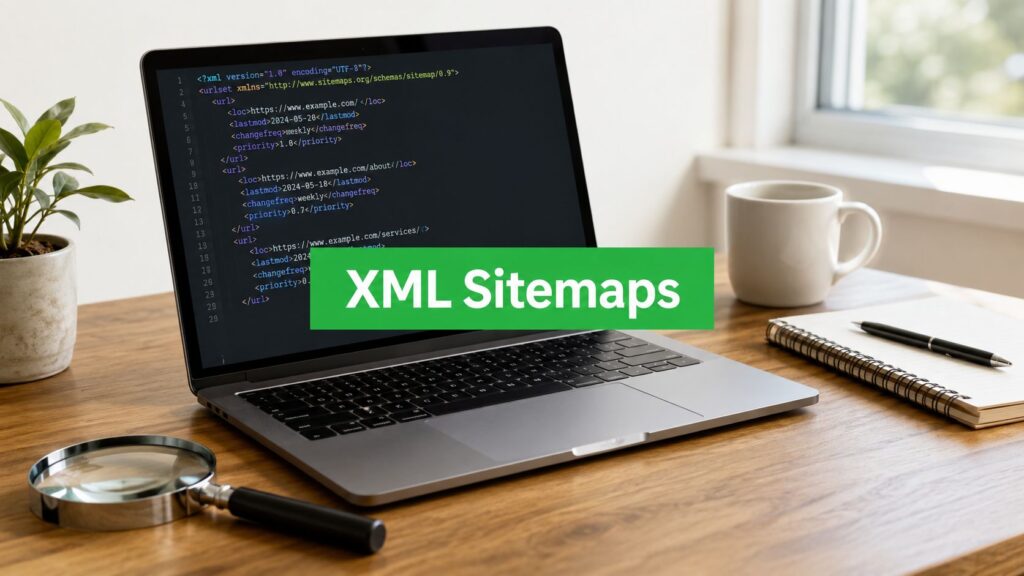
An XML sitemap should include only canonical, indexable, high-value page URLs, plus optional metadata, and it should be submitted through Google Search Console. It's a discovery and prioritisation hint, not a guarantee that Google will index every listed page. A Melbourne service business often encounters the issue during a website update: the owner assumes the […]

A Melbourne tradie, dentist or accountant can offer several services, but Google Business Profile categories aren't a menu of every task the business performs. The right setup is one primary category that best describes the core business, supported by relevant additional categories. Google doesn't allow custom categories, so the practical job is to match the […]
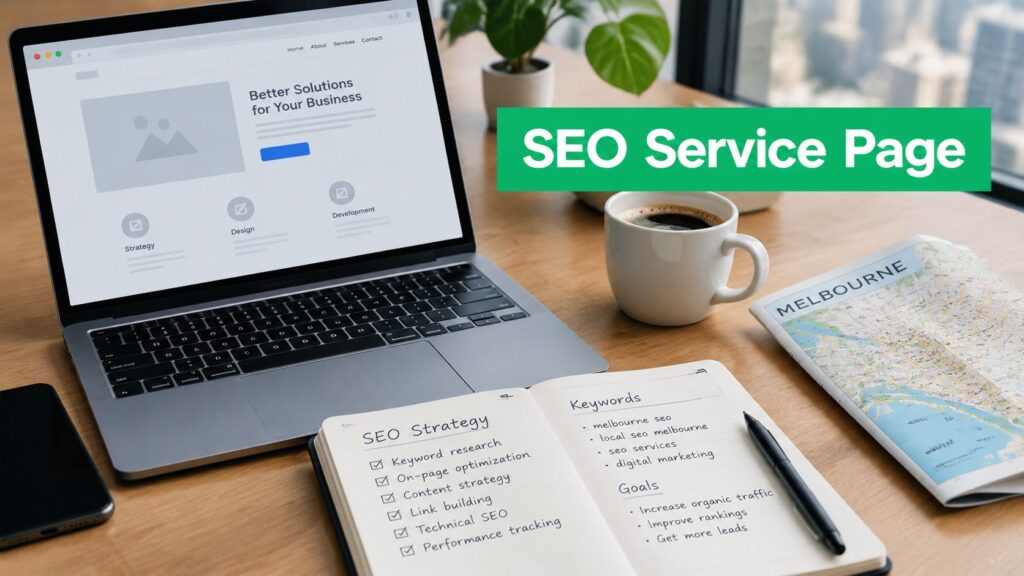
A Melbourne business owner searching for SEO help usually doesn't need another list of vague deliverables. They need to know whether the agency understands their service, suburbs, customers, technical constraints and commercial goals. A good SEO service page should therefore explain what the service does, who it helps, where it operates, why the provider is […]

You're usually looking at two different jobs on the same page. The SEO title is the label search engines show in results and browser tabs, while the H1 heading is the main visible heading on the page itself. They should stay on the same topic, but they don't need to be identical, and in many […]
- 1
- 2