
A plumber can have a good reputation and still be almost invisible when someone searches outside the business name. The practical fix is to align the Google Business Profile, service pages, suburb coverage, citations, reviews and conversion tracking around the way local customers search. For the Melbourne plumbing business examined here, the biggest gains came from separating emergency intent from standard plumbing work, then matching each search type to the right profile signal and landing page.
Table of Contents
- The Initial Audit and Visibility Hurdles
- Categorising the Local SEO Fixes
- Optimising the Google Business Profile
- Building Suburb-Specific Landing Pages
- Targeting Emergency Versus Standard Plumbing Intent
- Strengthening Citations and Review Signals
- Tracking Setup and Before-and-After Metrics
- Quick-Reference Checklist and Next Steps
The Initial Audit and Visibility Hurdles
A customer with a burst pipe searches differently from someone comparing plumbers for planned work. The audit found that the business was visible mainly to people who already knew its name, while non-branded searches across the Melbourne suburbs it served produced limited exposure. A generic citywide website, incomplete Google Business Profile and poorly aligned service pages left Google without clear evidence connecting the business to a specific service, suburb or level of urgency.
That gap affected both discovery and enquiries. An emergency search needs a clear location, fast response and contact path. A planned plumbing search needs service detail, local proof, availability and reasons to choose the business. Australia's plumbing services industry is estimated at A$22.2 billion in 2025, with more than 28,600 businesses competing for customers, according to Australian plumbing SEO industry data. Market size alone does not show whether a plumber will receive the call. Search intent and local relevance determine whether visibility turns into an enquiry.
What the audit uncovered
The audit reviewed the profile, website architecture, commercial pages, local listings and enquiry paths. It identified five practical hurdles:
- Branded dependence: The site performed better for searches containing the business name than for non-branded service and suburb searches.
- Weak suburb signals: Melbourne was mentioned broadly, without clearly connecting individual services to the suburbs and postcodes the team could realistically reach.
- Thin service relevance: Important services lacked dedicated pages with clear headings, useful explanations, local context and prominent calls to action.
- Profile gaps: Categories, services, business information, photos and service-area settings did not reinforce one consistent description of the business.
- Inconsistent listings: Business details differed across directories, creating uncertainty around the company's name, location and contact information.
Emergency and general suburb searches therefore needed separate treatment. The profile had to support broad local discovery and service relevance, while the website needed pages that answered the exact query without creating several competing pages for the same intent.
A site can attract general traffic and still generate few qualified calls if its pages do not answer the local question behind the search. Technical accessibility was reviewed before content priorities were set, using a technical SEO checklist for small businesses to check crawling, indexing, page structure and mobile usability.
Why map-pack visibility was limited
Local visibility depends on relevance, distance and prominence, as described in Google's local search documentation. The profile did not give enough precise information about the services offered or the areas covered, and the website failed to reinforce those relationships with matching service and suburb pages.
The commercial risk was highest for urgent searches. Australian local-search coverage reports that 76% of people who conduct a local or “near me” search visit a business within 24 hours, while 88% of smartphone local searches lead to a call or visit within a day, according to Australian local SEO research coverage. These figures do not predict results for one plumber, but they show why weak local signals can cost time-sensitive enquiries.
Audit principle: Judge a plumbing website by whether the right suburb, service and urgency signals appear when a customer is ready to contact the business, not by traffic alone.
Categorising the Local SEO Fixes
Local SEO improved when the work was treated as one connected system rather than a list of isolated tasks. The campaign was organised into four areas, each with a different job in the customer journey.
Profile relevance came first
The Google Business Profile needed to describe the business accurately, use the most specific primary category available and include only relevant secondary categories. Services, business description, trading information, photos and service areas were reviewed together rather than edited independently.
That work supports discovery in the map results, but it doesn't replace useful website pages. The profile can indicate that a plumber serves a suburb, while the landing page needs to explain the service, response options and reasons to enquire.
Pages captured the search detail
The website was restructured around two dimensions:
- Service: blocked drains, hot water systems, gas fitting, emergency plumbing and other genuine offerings.
- Location: the suburbs and postcodes the business can realistically reach.
Australian data reports 1,226,400 monthly searches containing a suburb, city, region or state modifier, with measurable searches across 2,764 suburbs, as listed in Australian plumber keyword research. That supports suburb-level planning, but it doesn't justify publishing empty pages for every location. Each page must represent a real service area and provide useful, distinct information.
Technical consistency supported trust
NAP means name, address and phone number. Those details were standardised across the website, Google Business Profile and relevant Australian directories. Technical work also covered crawlability, internal linking, structured data and the visibility of enquiry actions.
Reviews reinforced the commercial result
Reviews were handled as both a reputation asset and a conversion signal. Customers were invited to leave genuine feedback after completed work, with prompts that made it easy to mention the service and suburb naturally. No review wording was manufactured, and no incentive was used to distort the feedback.
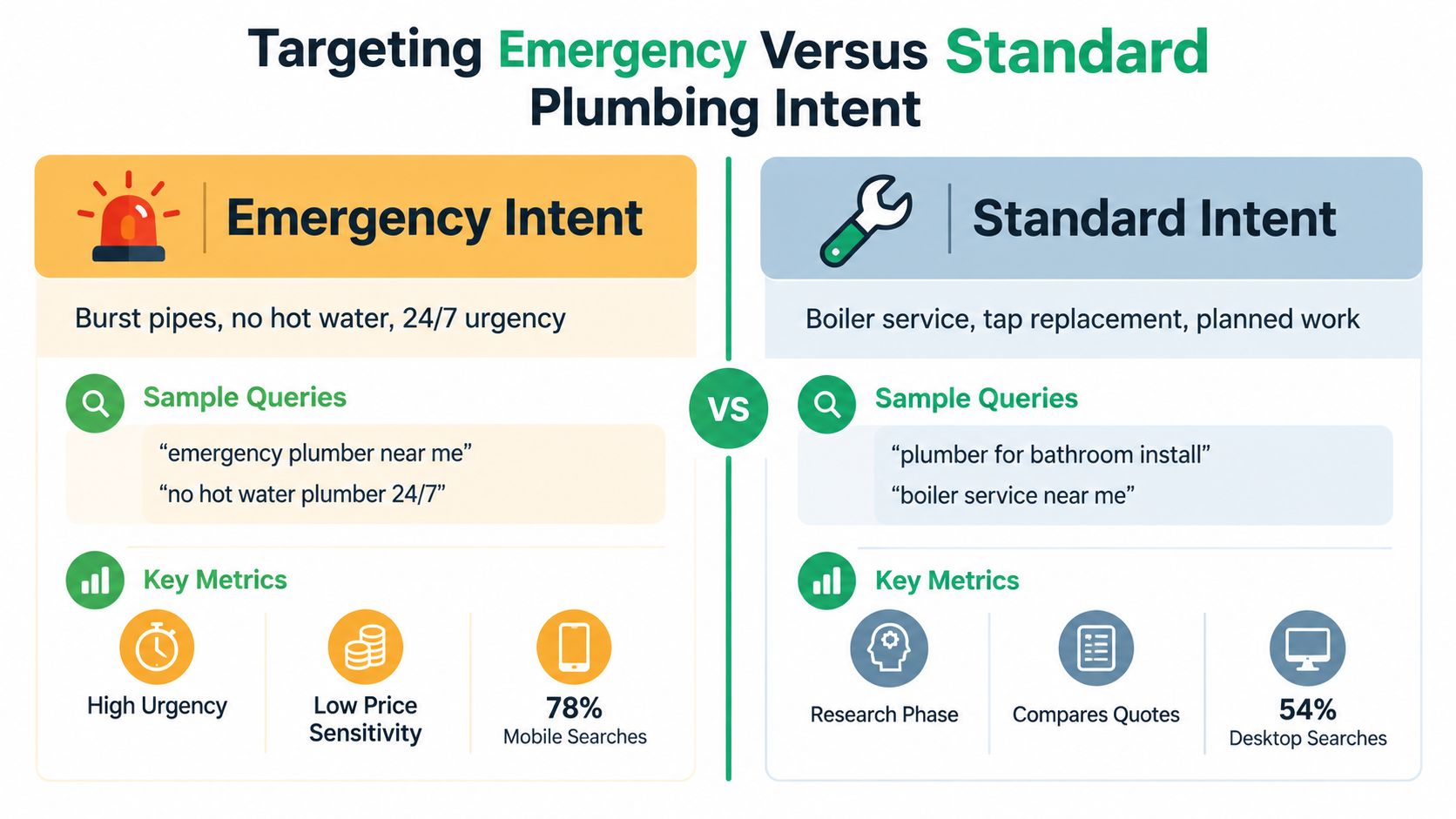
The strategic split was important because emergency and standard plumbing searches don't ask for the same experience. The comparison below captures why separate page and profile priorities were needed.
Practical sequencing: Fix identity and profile accuracy first, build service and suburb relevance second, then strengthen reviews and reporting. Advanced promotion can't compensate for unclear fundamentals.
Optimising the Google Business Profile
A plumber's Google Business Profile can contain the right information and still fail to generate enquiries when categories, service areas, hours and website details conflict. The work here focused on accurate signals and a profile that supports two search intents: urgent jobs from nearby searchers and broader suburb-based plumbing services.
Choose categories for relevance
The primary category should describe the core business as specifically as Google permits. Add secondary categories only for genuine services. A long list may suggest wider coverage, but irrelevant categories weaken the profile's focus and can set expectations the business cannot meet.
Align the profile with the website and actual operations:
- Business name: Use the registered trading name, without added suburb or service keywords.
- Phone and contact details: Match the website and trusted directory listings.
- Description: Explain the main plumbing services and service area in natural language.
- Services: List genuine offerings with clear names and useful descriptions.
- Photos: Add authentic images of the team, vehicles, equipment and completed work.
- Hours: Show actual availability, including emergency and after-hours arrangements.
Google's Business Profile guidance explains how businesses can maintain accurate profile information. Accuracy helps Google and potential customers understand what the plumber does, where the team works and when it can respond. It also prevents the profile from making promises that the landing pages cannot support.
The profile should carry the broad local business signals, while dedicated pages handle detailed suburb and service intent. For example, an emergency-hours profile can make urgent availability clear, while a standard plumbing page can explain planned repairs, maintenance and service coverage. Keeping those roles distinct reduces the risk of forcing every query into one generic profile description.
Set up a service-area business correctly
A mobile plumber needs a different setup from a customer-facing premises. If customers do not visit the business address, configure the profile as a service-area business and list locations the team serves. Hiding a residential address protects privacy, although it can reduce visibility compared with a legitimate, visible business address.
The operating model must remain consistent across the profile, website and directories. Do not publish a private address solely to pursue rankings, create a virtual office, or list suburbs that receive little or no service coverage.
Maintain the profile after launch
Saving the fields is only the start. Review special hours for Australian public holidays and trading changes, add relevant photos, monitor calls and answer customer questions. Respond to positive and negative reviews professionally without revealing private job details.
A practical Google Business Profile optimisation guide can organise the implementation, but ownership remains with the business. The office team or owner should know who checks enquiries, updates availability and corrects inaccurate information.
Building Suburb-Specific Landing Pages
A page titled “Plumbing Services Melbourne” may be useful as a broad hub, but it can't answer every suburb and service question well. Searchers often want reassurance that the plumber knows their area, can reach them and handles the specific job. A suburb page should make that answer obvious without repeating a citywide paragraph with a different place name.
Map pages to real coverage
The campaign began with the suburbs and postcodes the business serviced. Those locations were grouped by practical travel patterns, existing demand and service capacity. A page was created only where the plumber could offer a credible service, not just because a keyword tool showed a location variation.
A strong page structure usually includes:
- A precise title: Combine the service and suburb naturally, such as “Blocked Drain Plumber in [Suburb]”.
- A direct opening: State what the plumber does, who the service suits and whether urgent response is available.
- Local service detail: Explain common jobs, access considerations and relevant property types without inventing local conditions.
- Trust content: Use genuine reviews, qualifications or process information that the business can substantiate.
- A clear contact path: Keep phone and booking actions prominent, especially on mobile.
- Useful FAQs: Answer real questions about availability, diagnosis, access and next steps.
Australian guidance recommends defining service areas by the suburbs and postcodes served, while local results also consider proximity. The page therefore needs consistent place references in the title, headings, body copy, structured data and internal links, as described in Australian local landing page guidance for plumbers.
Avoid doorway pages and keyword stuffing
Publishing near-identical pages for every suburb can create a poor user experience and weaken the site's quality. Each page should have a reason to exist. That might be a distinct service combination, a meaningful coverage area, or useful information about how the plumber operates there.
The wording should sound like a business speaking to local customers, not a keyword list. “Emergency plumber in Richmond” can be relevant in a heading, while repeating the suburb in every sentence isn't. Unique page content matters because the user needs a reason to choose that page over another location template.
Build a crawlable service-area architecture
The main plumbing services page should link to core service pages. Those pages should link to relevant suburb pages, and location hubs should link back to the services available there. This creates clear pathways for users and search engines.
Internal links should use descriptive anchors, not strings of repeated exact-match phrases. A blocked-drain page can link to the plumber's servicing suburbs, while a suburb page can link to blocked drains, hot water and emergency response where those services are real. The service-page structure guidance provides a useful framework for making commercial pages clearer and more actionable.
Targeting Emergency Versus Standard Plumbing Intent
A customer searching “plumber near me” might need a leaking tap repaired next week, or a burst pipe handled immediately. Those situations require different page experiences. Keep the brand and local signals consistent, then separate the emergency and planned-service destinations so each page matches the customer's decision.
Australian keyword data shows distinct demand clusters, including 22,200 monthly searches for “plumber near me”, 8,100 for “emergency plumber” and 2,900 for “blocked drain plumber”, according to Australian local SEO keyword data for plumbers. Broader industry research also indicates substantial overall demand for plumbing searches, while local emergency phrases show clearer immediate intent. The figures illustrate why one generic page rarely serves every searcher well.
Emergency pages reduce decision friction
An emergency page should answer urgent questions before the customer has to scroll or call for clarification:
- Availability: Is emergency or after-hours work genuinely offered?
- Contact: Can the customer call without searching through the page?
- Coverage: Does the plumber service the customer's suburb?
- Process: What should the customer do before help arrives?
- Expectations: How are assessment, call-out and repair charges explained?
- Trust: Can the business show legitimate reviews, insurance or relevant credentials?
Set the Google Business Profile to support the same promise. Emergency services should appear in the service list and business description only when the team provides them. The landing page should use matching service language, service areas and contact details, with a prominent tap-to-call action.
Avoid promising a response time the team cannot deliver. Emergency customers need concise information, clear limitations and one obvious next step.
Standard pages support considered decisions
Planned work needs more detail. A hot water replacement or bathroom installation page should explain available options, suitability, preparation, workmanship and the enquiry process. Customers may compare quotes, inspect examples and ask questions before booking, so the page should support evaluation rather than rush the decision.
Keep both intent groups visible in the Google Business Profile service list, but send users to separate website pages. That structure helps Google and customers distinguish urgent repair intent from planned installation intent. It also reduces the risk of an emergency page attracting installation searches, or a general service page failing to reassure someone with an active leak.
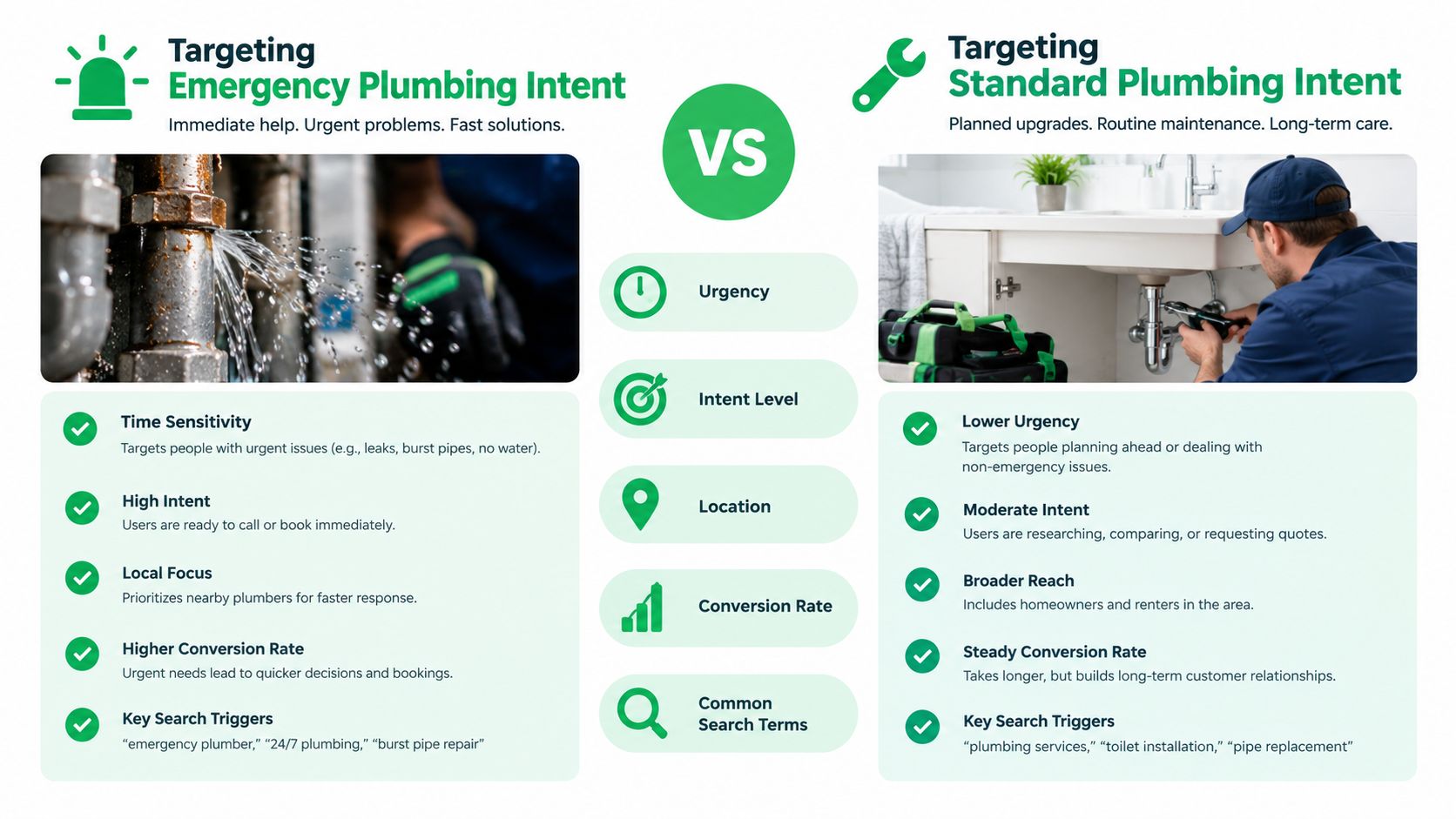
Intent rule: Match the page to the customer's immediate decision. Emergency users need speed and certainty. Planned users need evidence, scope and confidence.
Strengthening Citations and Review Signals
Local listings helped close a credibility gap that on-site changes alone couldn't solve. The business name, phone number and address or service-area information appeared inconsistently across directories, which made the location signals less dependable. Citation work focused on accuracy and relevance, not on collecting every possible listing.
Clean the business identity first
Each listing was checked against the approved business details. Duplicate profiles, outdated phone numbers, spelling variations and incorrect addresses were corrected or removed where possible. Relevant Australian directories and local trade listings received priority because a useful citation should help customers verify or contact the business, not just add another low-quality URL.
The purpose of citations is often misunderstood. They don't turn an unhelpful website into a strong local result overnight. They reinforce the identity that Google sees across the profile, website and wider web. A practical explanation of local citations and their role can help businesses decide which listings deserve attention.
Ask for genuine reviews at the right moment
The review workflow was connected to job completion. After the customer had received the invoice or confirmation that the work was complete, the business sent a direct review request. The message made the process simple and invited honest feedback about the work performed and the customer experience.
Customers weren't given scripted wording. If a customer naturally mentioned “blocked drain” or a suburb, that detail could help future readers understand the review. The business shouldn't pressure customers to include keywords, offer rewards for positive reviews or filter out criticism.
A sound process includes:
- A consistent trigger: Send requests after completed jobs, not randomly.
- A direct path: Link customers to the correct review action.
- A human message: Explain that feedback helps the local business.
- A response workflow: Reply courteously and protect customer privacy.
- A service recovery path: Move unresolved complaints into a private support conversation where appropriate.
Treat review content as conversion material
Review quantity matters, but the words customers use also help prospective clients assess fit. A review describing a blocked drain repair in a specific suburb can be more persuasive than a generic compliment because it addresses the reader's situation.
Review signals should support the service pages rather than replace them. A profile with reviews but unclear hours, weak service descriptions or no relevant landing page may still lose the enquiry to a competitor that makes the next step easier.
Tracking Setup and Before-and-After Metrics
The campaign measured commercial actions, not just impressions. Google Search Console was used to examine queries, impressions, clicks and average positions, while analytics and call tracking connected search activity to enquiries. Google Business Profile reporting was reviewed for calls and other user actions, with lead records checked against the business's actual pipeline.
The three-month comparison showed a clear shift:
| Metric | Month 1, Baseline | Month 3, Post-Fix |
|---|---|---|
| Key-term ranking | Position 30 | Position 3 |
| Monthly Google Business Profile calls | 3 | 25 |
| Monthly leads | 1 | 10 |
These figures came from the campaign's reported results, not a universal forecast. They show what changed for this plumber over the stated three-month period, but another business may move differently depending on competition, suburb coverage, profile history, website quality, service capacity and tracking accuracy.
Rankings weren't the commercial endpoint
Moving from position 30 to position 3 made the visibility change easy to communicate, but ranking alone wasn't enough. Local results vary by searcher location, device and query, so a single manual ranking check can give a distorted picture.
The more useful checks were:
- Query coverage: Which non-branded service and suburb searches began appearing?
- Profile calls: Did visibility produce conversations?
- Lead quality: Were enquiries for profitable, serviceable jobs?
- Page engagement: Did users reach the right service page and contact action?
- Operational fit: Could the business answer and fulfil the demand?
Calls increased from 3 to 25 per month, while reported leads increased from 1 to 10 in the same three-month comparison. Those outcomes made the work commercially meaningful, although lead definitions and attribution should always be documented so the numbers remain comparable.
Measurement exposed the next priorities
Search Console data helped identify pages earning impressions without clicks, pages ranking for the wrong intent and suburbs where the business had no useful destination. Call records showed whether emergency pages generated immediate enquiries or whether users still needed more information.
A reporting dashboard should keep branded and non-branded performance separate. It should also distinguish map-pack actions from organic website enquiries, because each channel requires different improvements. Traffic can grow without producing better jobs, so service type and location belong in the monthly review.
Quick-Reference Checklist and Next Steps
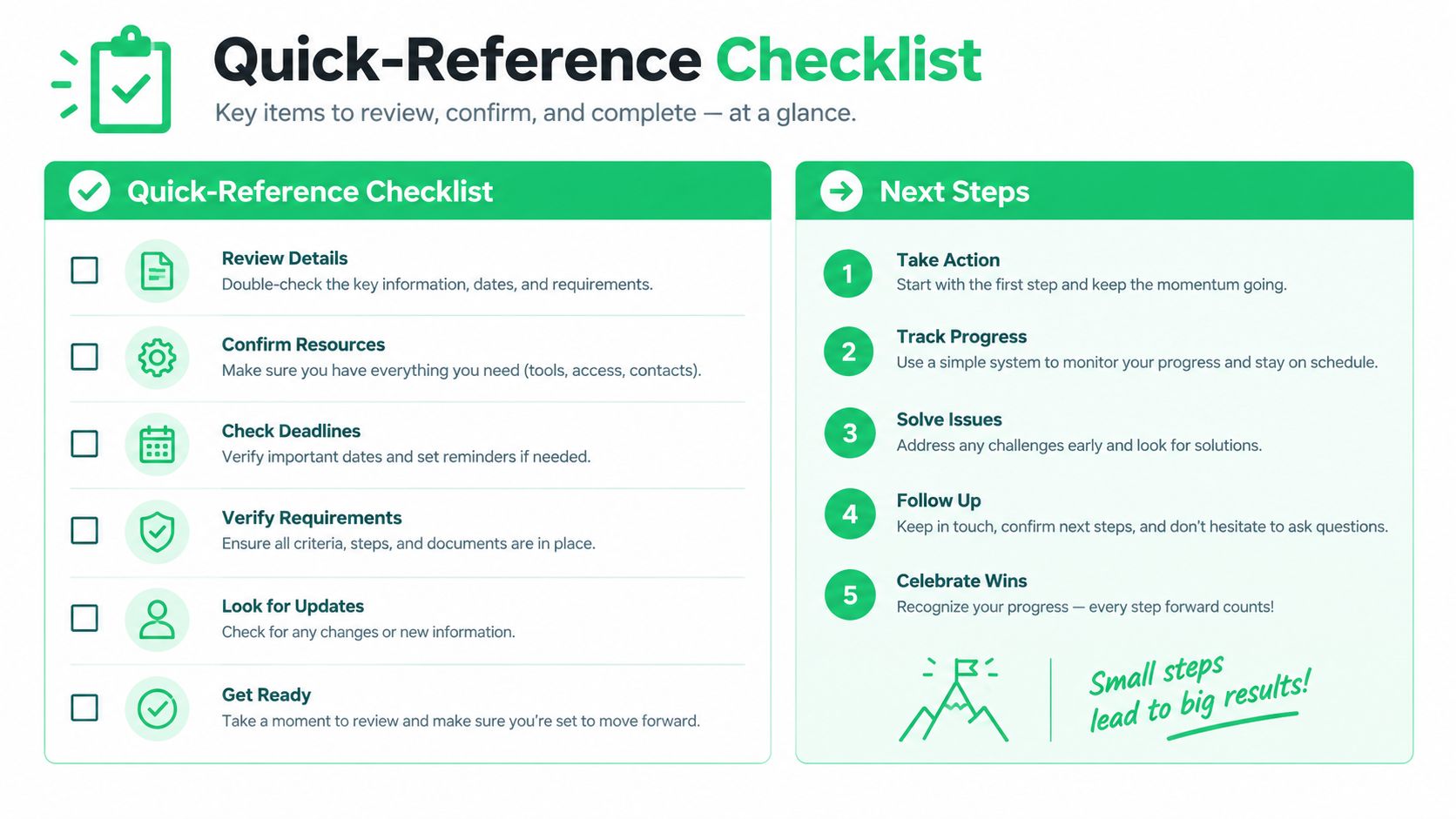
A local SEO sprint becomes easier to manage when every task has an owner and a commercial reason. The checklist below condenses the work into an operating routine for a Melbourne plumber or another service-area business.
Profile and location checks
- Verify the primary category: Choose the most specific, accurate category.
- Review secondary categories: Keep only genuine, relevant services.
- Standardise business details: Match the name, phone and address or service-area information across core properties.
- Confirm service areas: List suburbs and postcodes the team can reach.
- Update hours: Check normal, emergency and special trading hours.
- Add evidence: Maintain authentic photos, service details and useful profile updates.
- Manage reviews: Request genuine feedback after completed jobs and respond professionally.
Website and intent checks
- Create service pages: Give important plumbing jobs their own useful destination.
- Build suburb pages selectively: Publish pages for real coverage areas with distinct value.
- Separate urgency: Keep emergency response content distinct from planned plumbing and installation content.
- Strengthen internal links: Connect commercial hubs, services and locations in a logical structure.
- Improve conversion paths: Make phone, booking and emergency actions easy to find.
- Validate structured data: Ensure it describes the business and page accurately, without unsupported claims.
Plan for changing search results
AI search adds another reason to make business information clear and consistent. An Australian audit reported that AI Overviews appeared on 37.8% of Australian commercial SERPs in May 2026, according to Australian plumber SEO coverage. That doesn't mean every local plumbing query will be answered without a click, but it does mean concise service explanations, accurate location details, strong reviews and well-structured pages matter beyond the traditional blue links.
Hidden-address service businesses face a practical trade-off. Privacy and compliance come first, while accurate service areas, consistent business information and strong service pages help communicate where the plumber operates. A physical address shouldn't be invented or exposed improperly for ranking purposes.
A three-month implementation cycle can establish the foundation, but maintenance keeps it useful. The business should review calls, leads, query coverage, profile changes, new suburbs, service capacity and customer feedback regularly. Professional assistance is appropriate when the owner can't reconcile tracking, fix technical barriers, structure location pages or maintain the profile alongside daily trade work.
SEO2RANK supports service businesses with local, technical, on-page and measurement work, including Google Business Profile optimisation, suburb landing pages, citation cleanup and enquiry tracking. Visit SEO2RANK to review the available SEO support for a plumbing business that needs clearer local visibility and stronger lead measurement.
Find Out What Is Holding Your
Website Back
Get a practical SEO Snapshot showing the biggest issues and opportunities we can see across your search visibility, website and local presence.
GET YOUR FREE SEO SNAPSHOT